
Antiperspirant vs deodorant: what is the difference?
Deodorant primarily addresses odor. Antiperspirant reduces sweat release in the application area. A combined product may do both.
What deodorant does
Sweat itself usually has very little odor. Odor develops when components of sweat interact with bacteria on the skin. A deodorant helps control odor through fragrance, antibacterial ingredients or a combination of the two, but it does not necessarily reduce wetness.
What antiperspirant does
Aluminum salts temporarily reduce the release of sweat through the ducts in the treated area. That is why the active ingredient, application area and directions matter more in a product profile than the word ‘freshness’.
How to choose
If odor is the only concern, a deodorant may be sufficient. If wet marks or pronounced sweating are the issue, comparing antiperspirants is more relevant. Completely dry skin and a thin layer are especially important with long-lasting overnight products.
Sources
Related product profiles
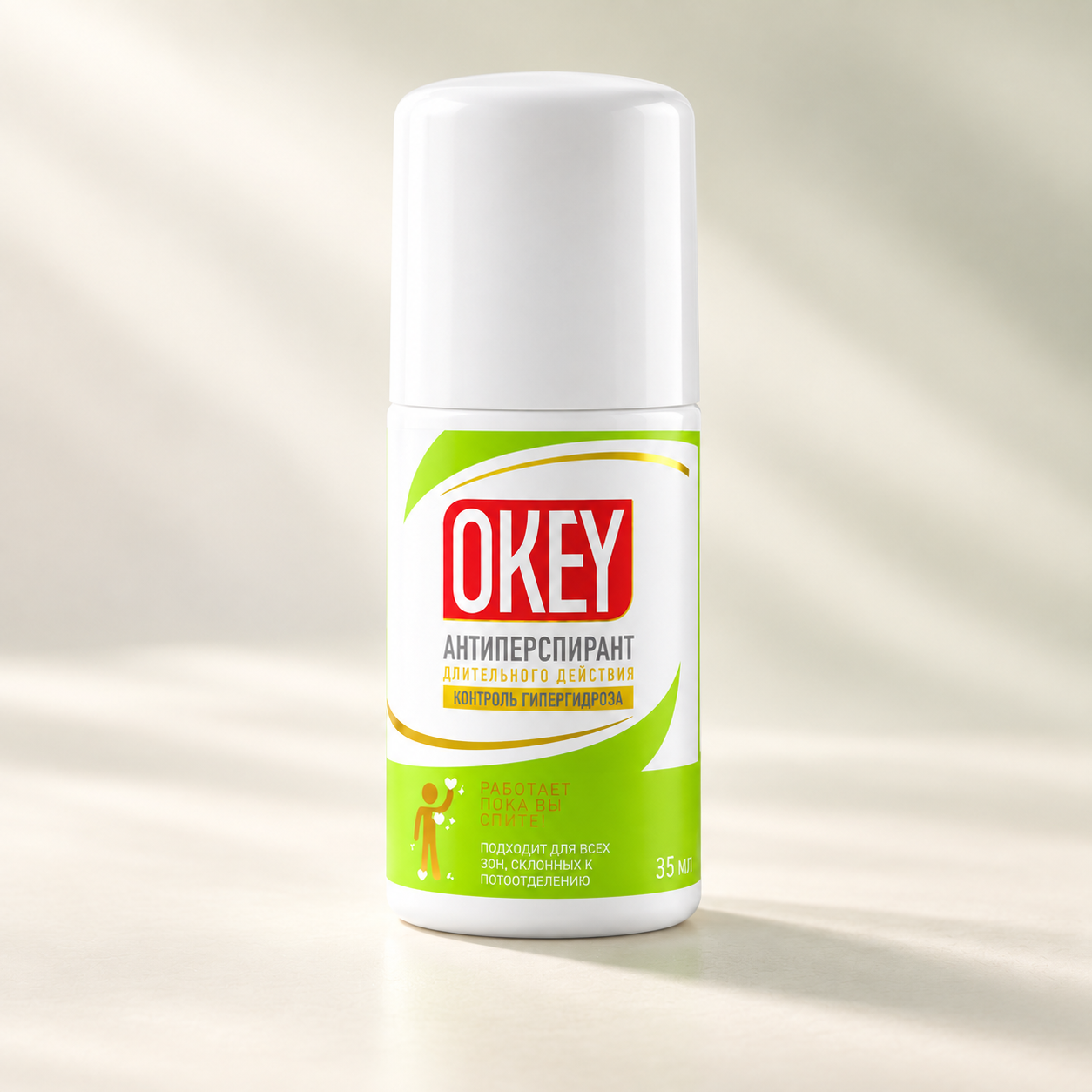
OKEY
OKEY Hyperhidrosis Control
A locally available option for people seeking long-lasting sweat control without alcohol or fragrance, with clear instructions in Russian and Kazakh.
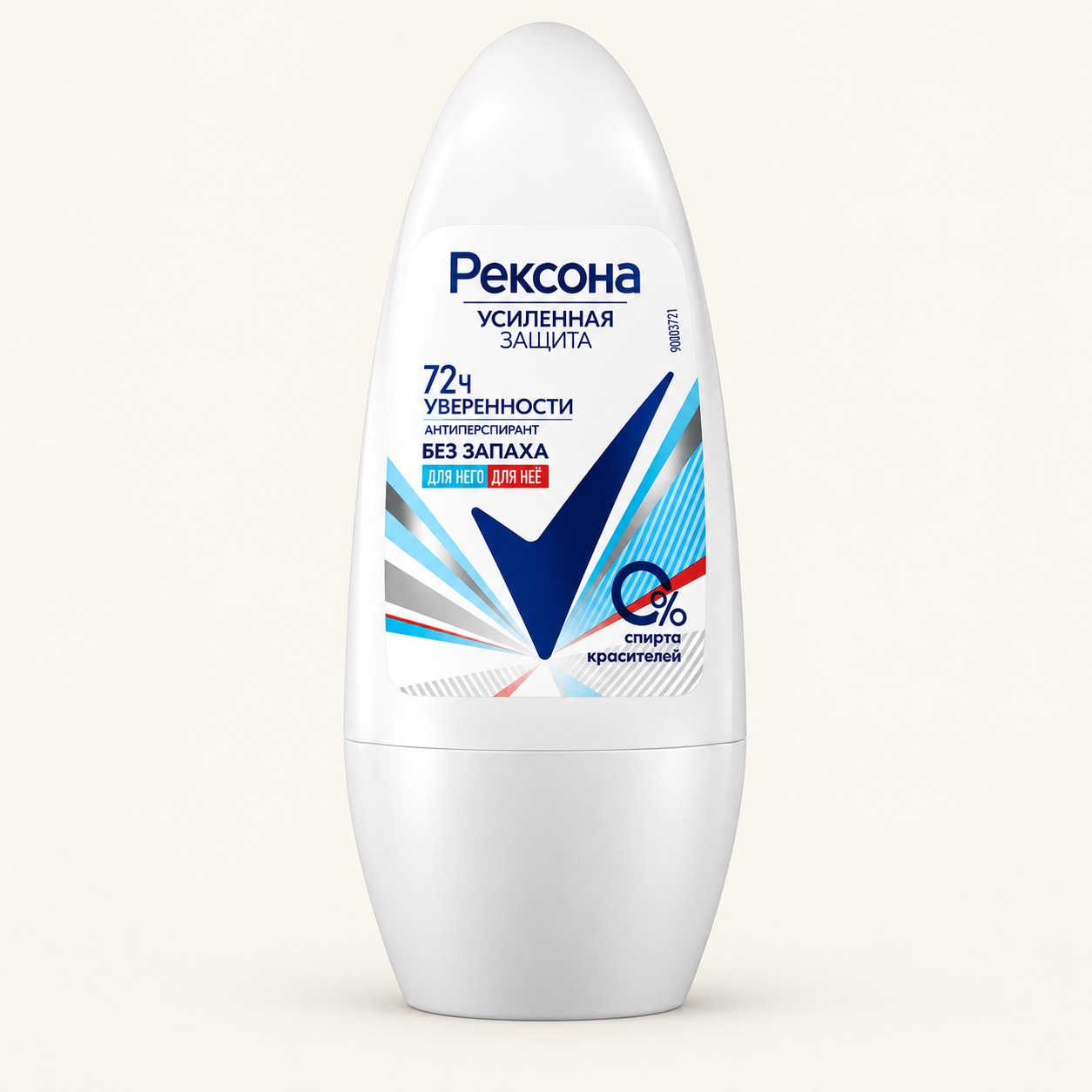
Rexona
Rexona Advanced Protection Unscented 50 ml
An accessible fragrance-free roll-on for daily use.
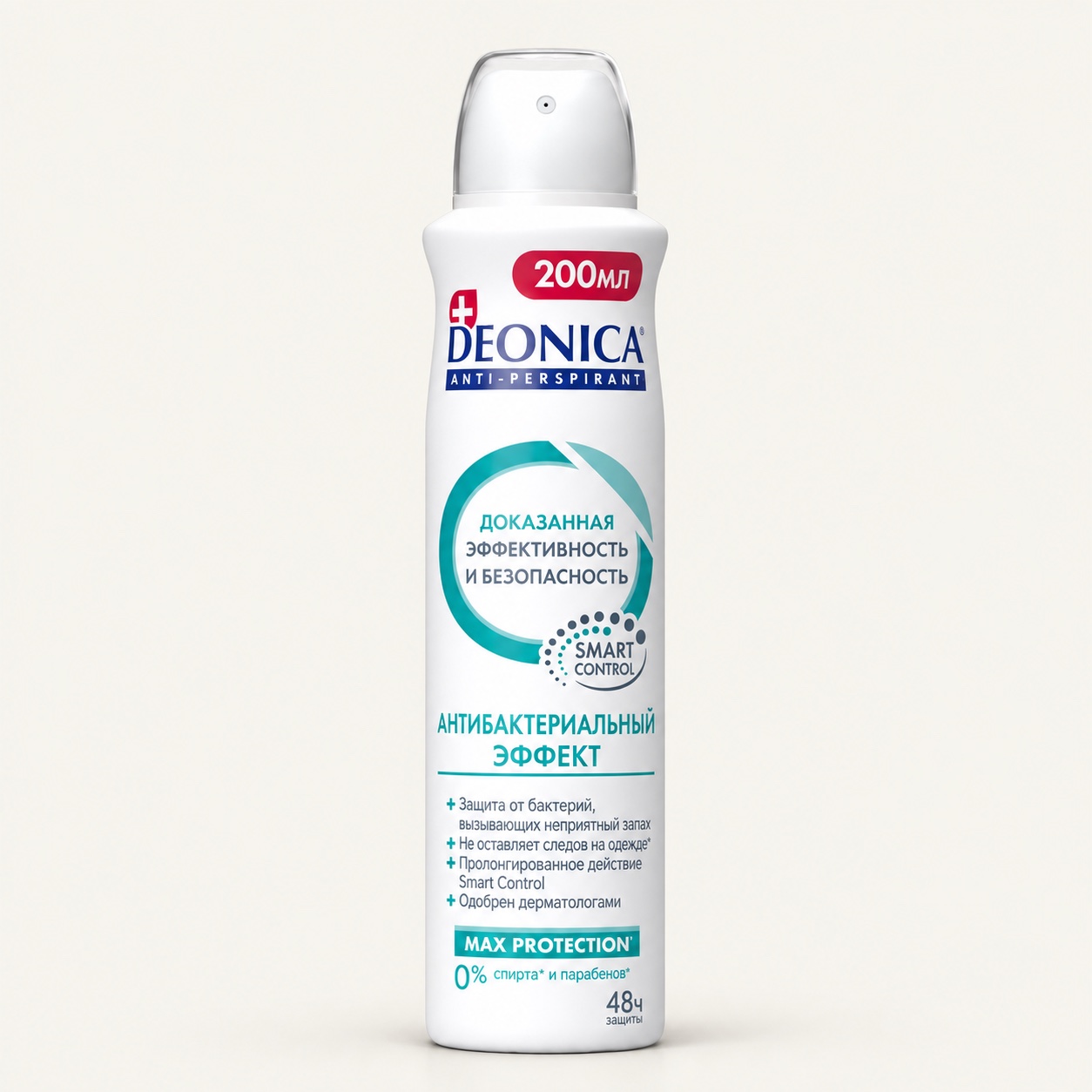
Deonica
Deonica Antibacterial Effect 200 ml
A fragranced aerosol for daily use with antibacterial positioning.