
Sweat, odor and formulas — without scare stories or myths.
We explain how products work, how to read a label and when a cosmetic concern may warrant medical attention.
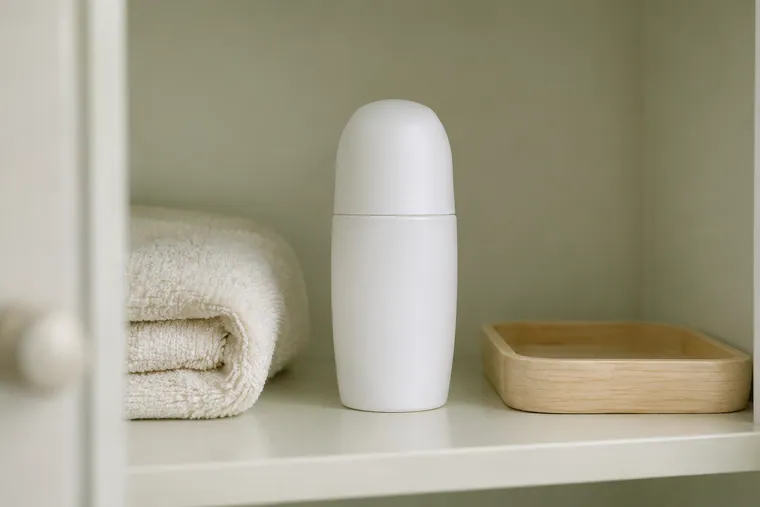
How to store antiperspirant: at home, on the road, in summer
Where to keep a roll-on, stick or aerosol, why the cap should be closed tightly, how heat and a humid bathroom harm the product, whether to share it and when the bottle should go in the bin.
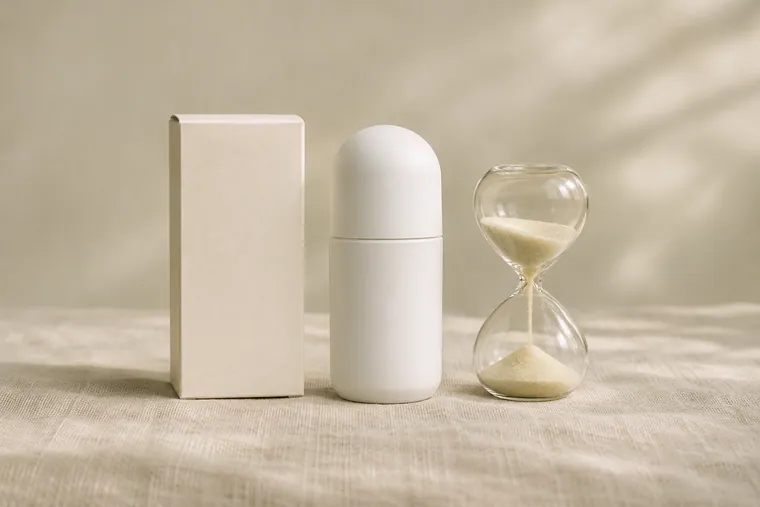
Antiperspirant shelf life: the date, the symbol and what changes
Whether manufacturers must show a shelf life, what the hourglass and the open jar with a number mean, why US antiperspirants carry a date, and how to tell that a product has gone off.

Antiperspirant before a mammogram and an MRI: what to know
Why deodorant, antiperspirant, talc and lotion are not applied on the day of a mammogram, what MRI preparation rules say about cosmetics with metallic particles, and how to combine an exam with an evening antiperspirant.
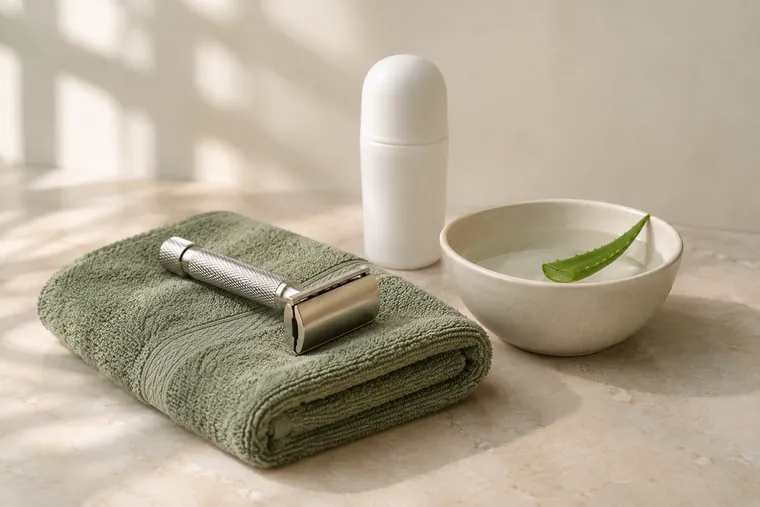
When to apply antiperspirant after shaving
Why antiperspirant stings after shaving, how long to wait with an ordinary and a strong product, how to shave the underarms more gently, and when red bumps are a reason to see a dermatologist.
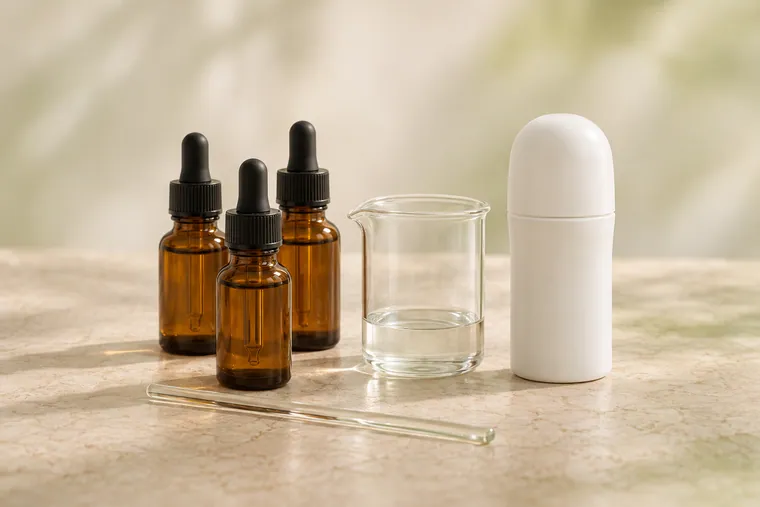
Parabens in antiperspirant: why they are used and what is known
What parabens are and why they are added, which are allowed in the EU and in what amounts, which are banned, what is known about a link with breast cancer, who should avoid them and how to find them in an ingredient list.
Triclosan in deodorants and antiperspirants: what has changed
What triclosan is, why the FDA removed it from antibacterial soap, where and in what amounts it is still allowed in the EU, whether it affects sweat and how to find it in an ingredient list.
Propylene glycol in antiperspirant: what it does, who it bothers
What propylene glycol does in roll-ons, gels and sticks, why it is not alcohol, how the CIR assesses its safety, what is known about irritation and allergy, and what to do if your skin reacts to it.
Silicones in antiperspirant: cyclomethicone and dimethicone
Why antiperspirants contain silicones, how volatile cyclomethicone differs from dimethicone, what the CIR and SCCS say about their safety and why the EU restricts D4, D5 and D6.

Antiperspirant for sport: how to choose it and when to apply
What "Sport" on an antiperspirant means, how these products are tested, which active ingredient to look for, when to apply before a workout and how to look after your skin afterwards.
Antiperspirant in hot weather: how to apply and store it
Why antiperspirant seems weaker in the heat, whether it stops the body from cooling, when and how to apply it in summer, what to do about prickly heat and why an aerosol should not be left in a car in the sun.
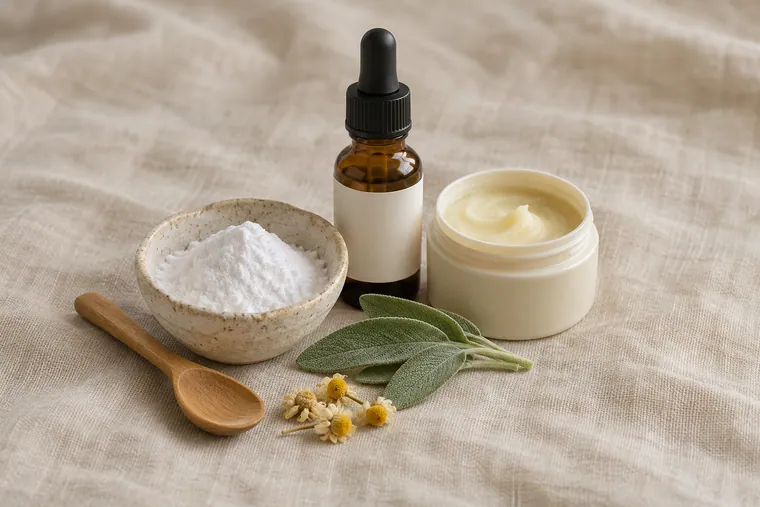
Natural deodorants: what they can and can't do
How a "natural" deodorant differs from an antiperspirant by ingredients, how baking soda, zinc, magnesium, alcohol and plant extracts act on odor, why they don't reduce sweat and where irritation comes from.
Does skin get used to antiperspirant?
Why antiperspirant does not cause tolerance: how plugs in the sweat-gland ducts form and wear off, why a product can seem weaker — damp skin, morning application, heat, stress, a new formula — and what to do.

Antiperspirant during pregnancy: what is known
What is known about aluminum salts in antiperspirants during pregnancy: how much aluminum passes through the skin, what SCCS and BfR concluded, what pharmacy solution leaflets say and what to discuss with your doctor.
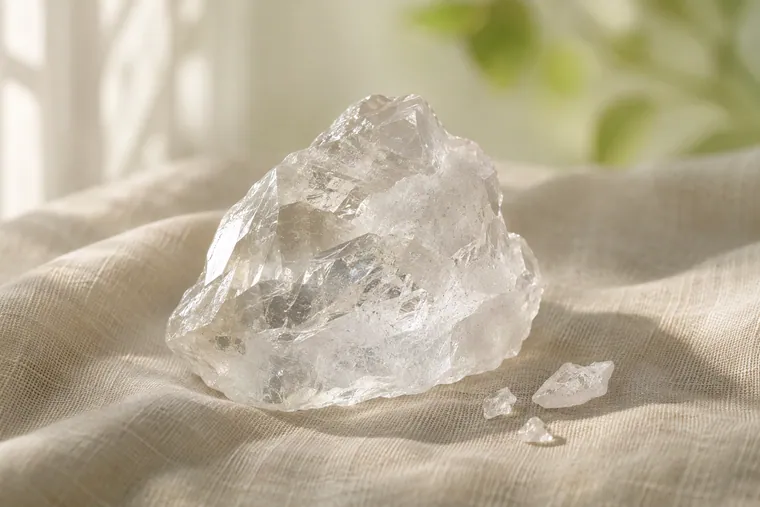
Alum and "mineral" deodorants: do they work?
What alum in crystal "mineral" deodorants is, whether it contains aluminum, whether it helps against odor and sweat, how it is treated in the EU and the US and why an "aluminum-free" label on a crystal is inaccurate.

How long does antiperspirant last: what 24, 48 and 72 hours mean
Why an antiperspirant’s effect lasts about a day or longer, what “24 hours” actually measures, where 48 and 72 hours come from, what shortens the effect and how to build an application routine.
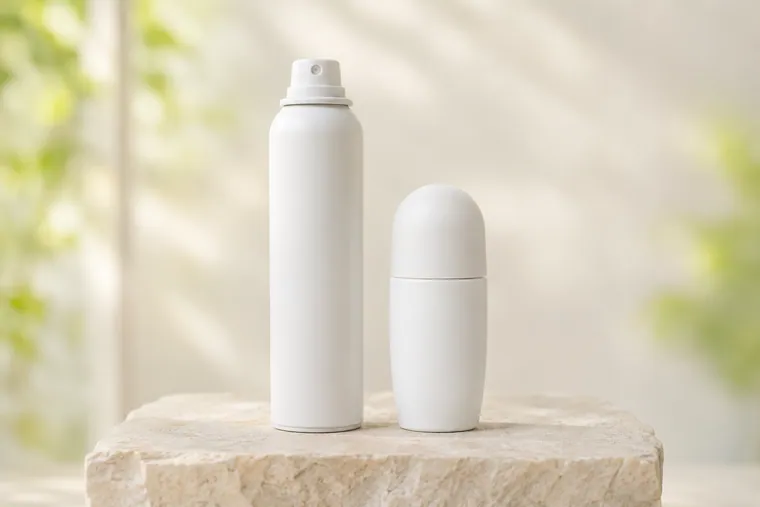
Spray or roll-on: which works better
Spray or roll-on: which actives are allowed in aerosols and roll-ons, how much product reaches the skin, when a spray is more convenient, when a roll-on is, and how to compare two products by their labels.
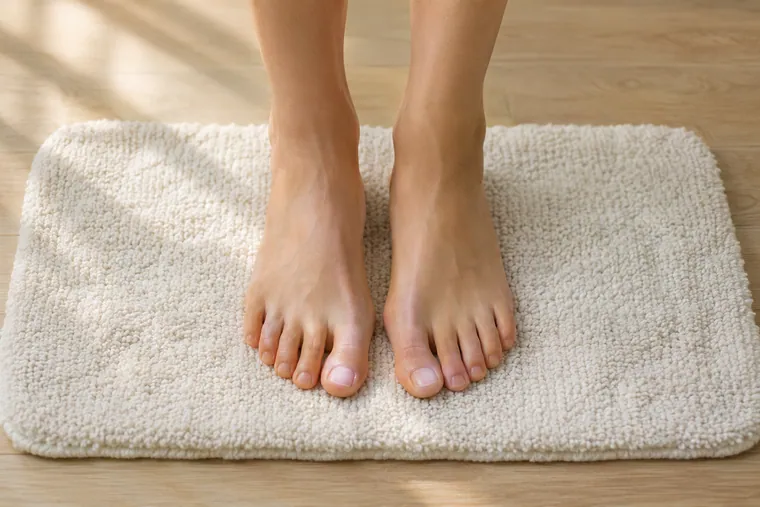
Antiperspirant for feet: how to choose and apply
Why feet sweat more, which antiperspirant suits them, how to apply it to the soles and between the toes, and when it is time to see a dermatologist.
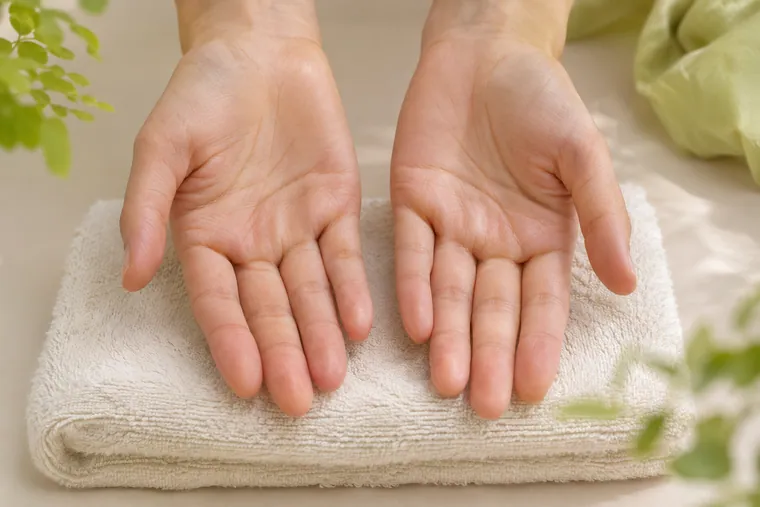
Antiperspirant for palms: what works
Why palms sweat, whether antiperspirant helps them, how to apply it to hands you wash often, and which treatments a dermatologist may offer.
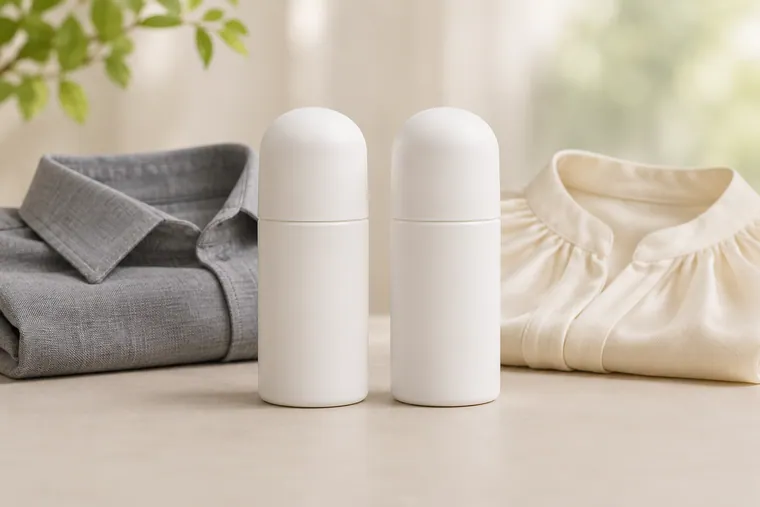
Antiperspirant for men: is there a difference
How a “men’s” antiperspirant differs from a “women’s” one, whether men really sweat more, and what to check in the formula and directions instead.

Antiperspirant for teenagers: from what age
Is there a minimum age for antiperspirant, where a teenager should start, why a strong product is chosen with a doctor, and when sweating needs a doctor.
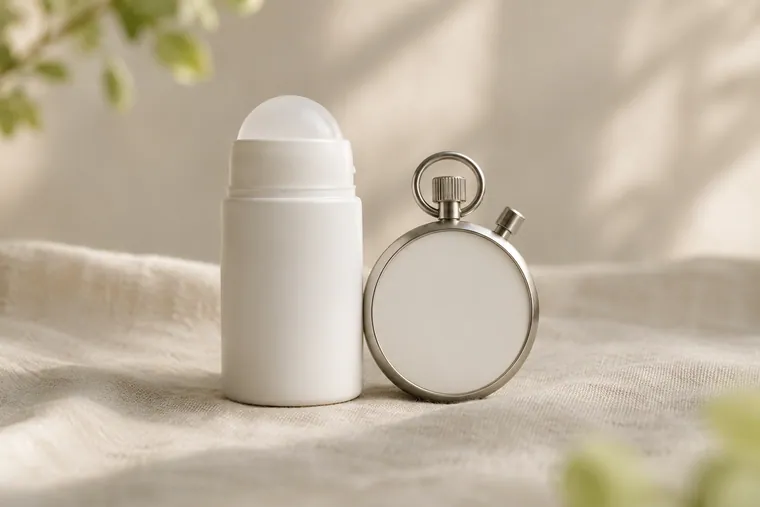
What “Clinical”, “Maximum” and “72 hours” mean on antiperspirants
Which words on an antiperspirant label are fixed by FDA rules and which are just a product line name, and how to check “Clinical”, “Maximum” and “72 hours” against the formula and directions.
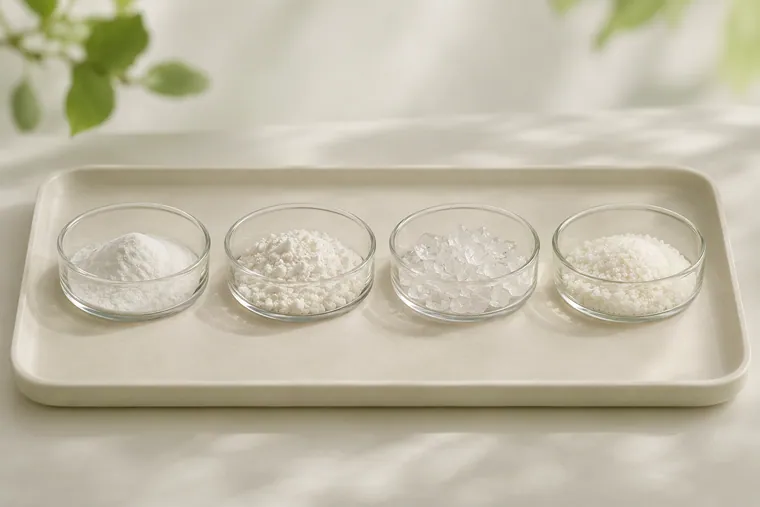
Types of aluminium salts in antiperspirants: a table
Chloride, chlorohydrate, their glycol complexes and aluminium zirconium salts: INCI names, FDA limits, permitted forms and the typical routine — row by row.
Fragrance in antiperspirants: who it bothers
Parfum, Fragrance and fragrance allergens: why scent is added to antiperspirants, who it bothers and how to check the ingredient list.
Sensitive underarm skin: rules for choosing a product
Why underarm skin reacts to antiperspirant, how to tell irritation from allergy and which rules for choosing and applying reduce discomfort.
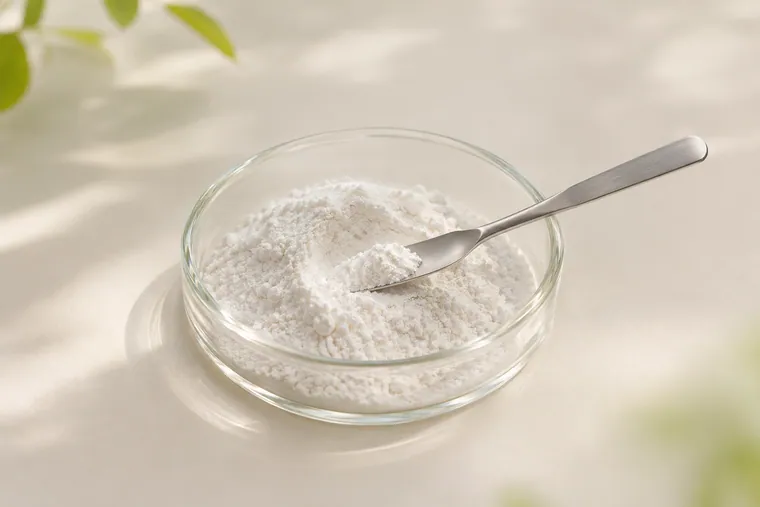
Aluminium zirconium in antiperspirants: how it works
What aluminium zirconium salts are, how they reduce sweating, what limits the FDA and the EU set and why they are never found in aerosols.
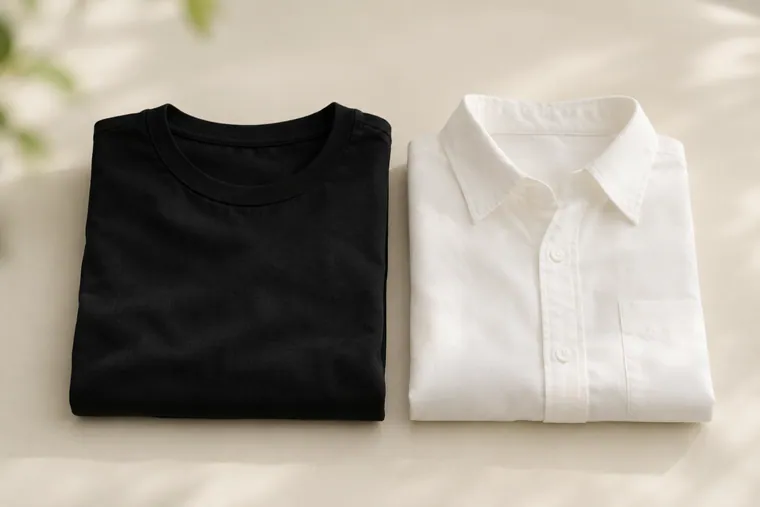
White and yellow marks on clothes: which forms leave fewer
Where white and yellow antiperspirant marks come from, which forms leave them less often and how to apply the product to protect your clothes.
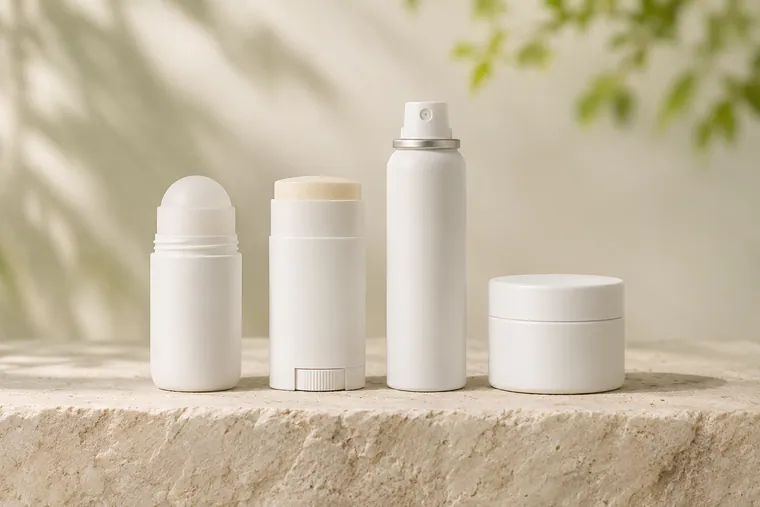
How to choose an antiperspirant: roll-on, stick, spray, cream
Roll-on, stick, spray, aerosol, dab-on and cream: how the form affects dose, drying time, marks on clothes, skin comfort and travel — and how to pick yours.
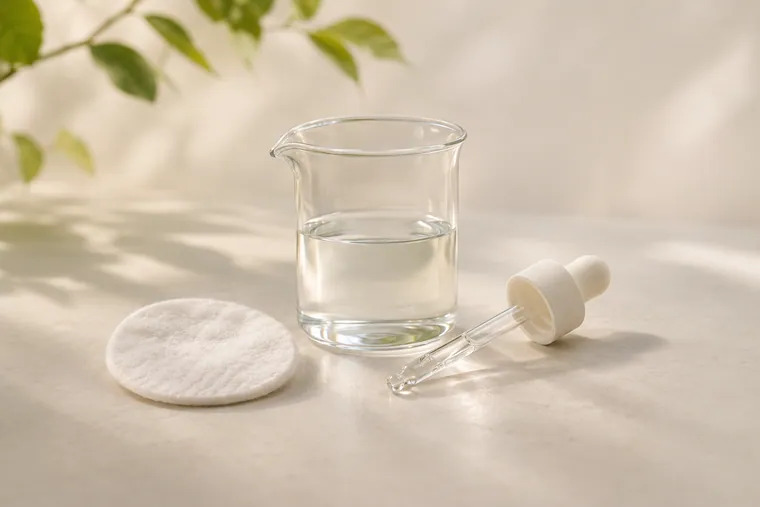
Alcohol in antiperspirants: what it does and who it bothers
Ethanol, fatty alcohols and benzyl alcohol: why alcohol is added to antiperspirants, who it bothers and how to find it in an INCI list.
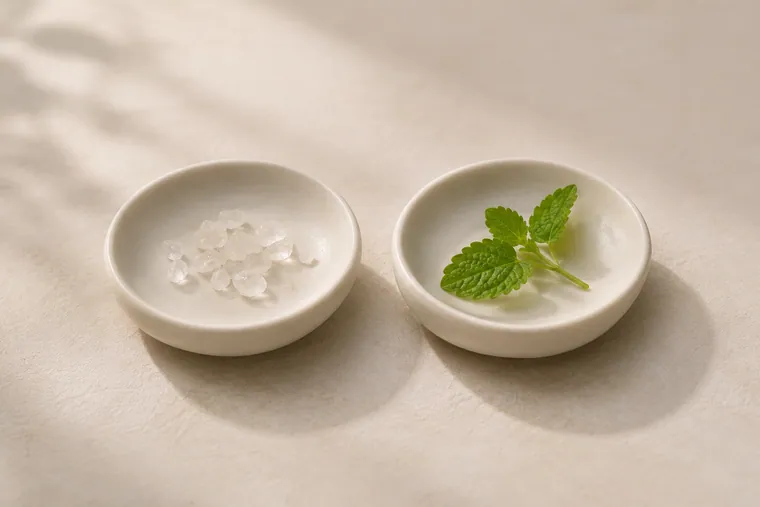
How to tell an antiperspirant from a deodorant by its ingredients
What to look for in the INCI list to see whether a product reduces sweat or only deals with odor: aluminum salts, fragrance, alcohol and label wording.
How to read an antiperspirant ingredient list
Active salt, alcohol, fragrance and skin-conditioning ingredients: what to look for on the label.
Why strong antiperspirants are applied at night
Why antiperspirant is applied at night to completely dry skin, and why a thin layer works better than excess product.
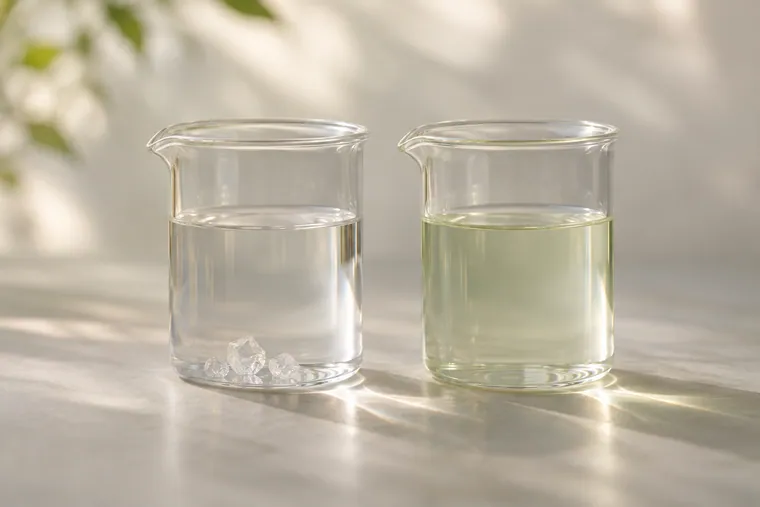
Aluminum chloride and aluminum chlorohydrate are not the same
How aluminum chloride and aluminum chlorohydrate differ in antiperspirants: formulas, routines and irritation risk.
How to choose an antiperspirant for sensitive skin
How to choose an antiperspirant for sensitive skin by checking alcohol, fragrance, active ingredient and application routine.

When increased sweating is a reason to see a doctor
Signs that mean choosing a cosmetic product should not replace medical assessment.