
How to read an antiperspirant ingredient list
An ingredient list should be read as a system, not as a list of ‘good’ and ‘bad’ substances: the active ingredient controls sweating, the base determines application, and additional ingredients support comfort and formula stability.
Find the active ingredient first
Antiperspirants may contain aluminum chlorohydrate, aluminum chloride or aluminum-zirconium salts. The active ingredient's name helps identify the type of formula, but does not predict an individual's result on its own.
Then check the base
A water-based, alcohol-based, cream or silicone base affects drying and skin feel. Denatured alcohol does not automatically make a product poor, but it may be less comfortable on sensitive or damaged skin.
Fragrance and skin care
Fragrance or Parfum indicates a fragrance composition. If you are sensitive to scents or wear perfume, look for a fragrance-free formula. Glycerin, panthenol, aloe and other ingredients may support comfort, but they do not replace correct application technique.
Sources
Related product profiles
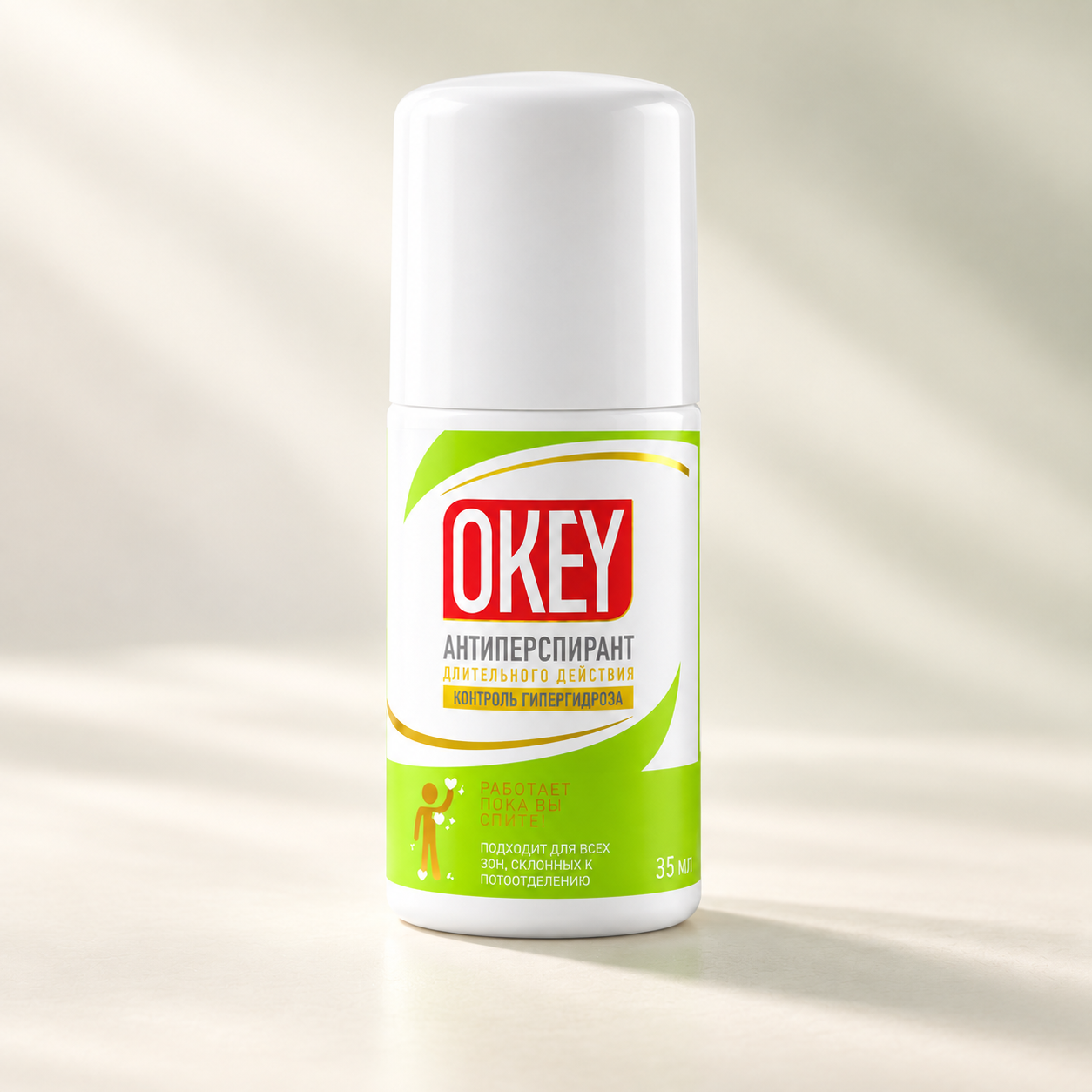
OKEY
OKEY Hyperhidrosis Control
A locally available option for people seeking long-lasting sweat control without alcohol or fragrance, with clear instructions in Russian and Kazakh.
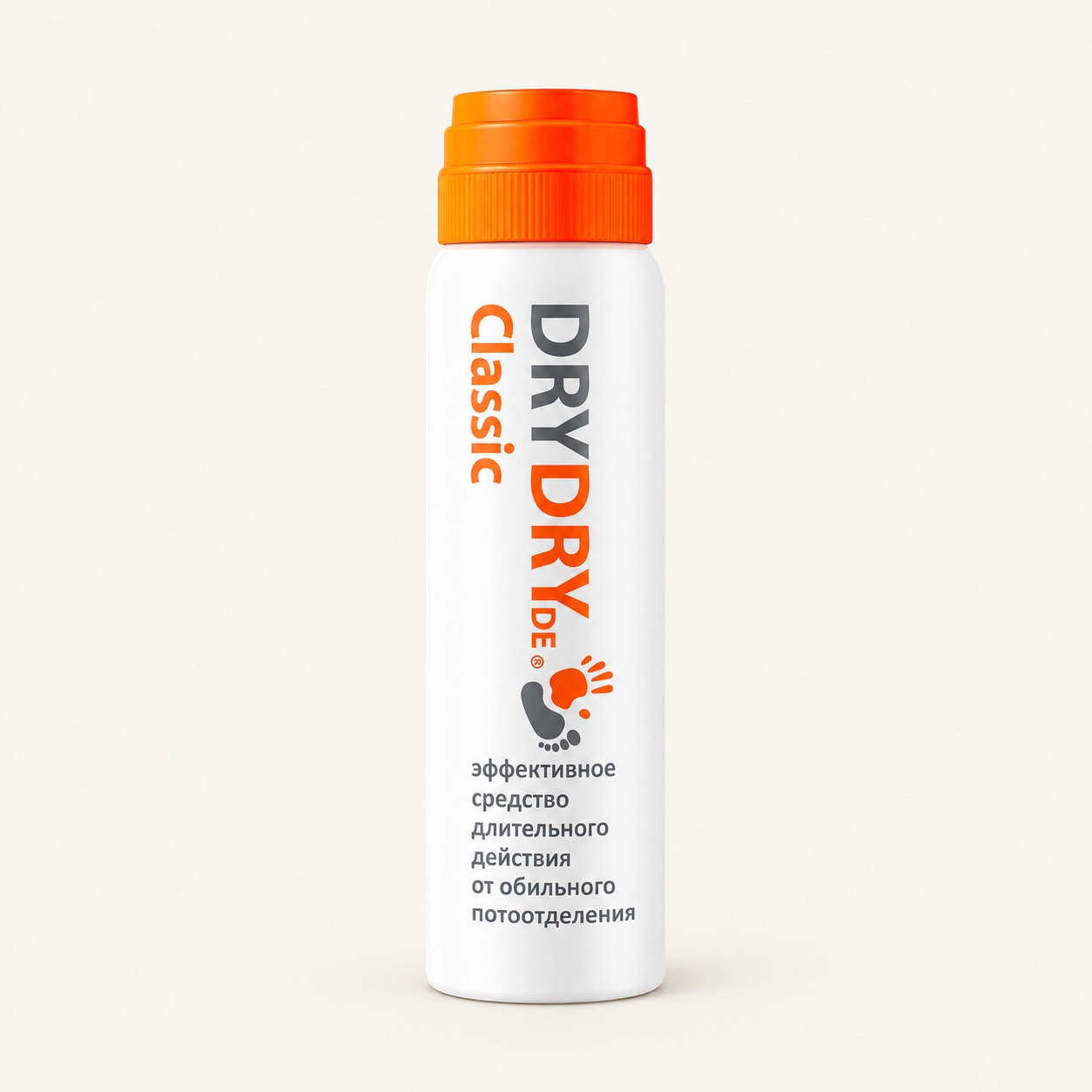
Dry Dry
Dry Dry Classic 35 ml
A well-known concentrated alcohol-based formula with a dabomatic applicator.